
Popeye disease in fish is one of the most alarming conditions aquarium owners encounter. The sudden swelling or bulging of one or both eyes can make any hobbyist panic. While the condition looks severe, popeye is often a symptom rather than a disease itself.
It usually indicates an underlying issue such as poor water quality, injury, or bacterial infection. The good news is that with early detection and proper treatment, many fish recover fully. Understanding the causes, symptoms, and treatment options is essential to restoring your fish’s health and preventing future outbreaks.
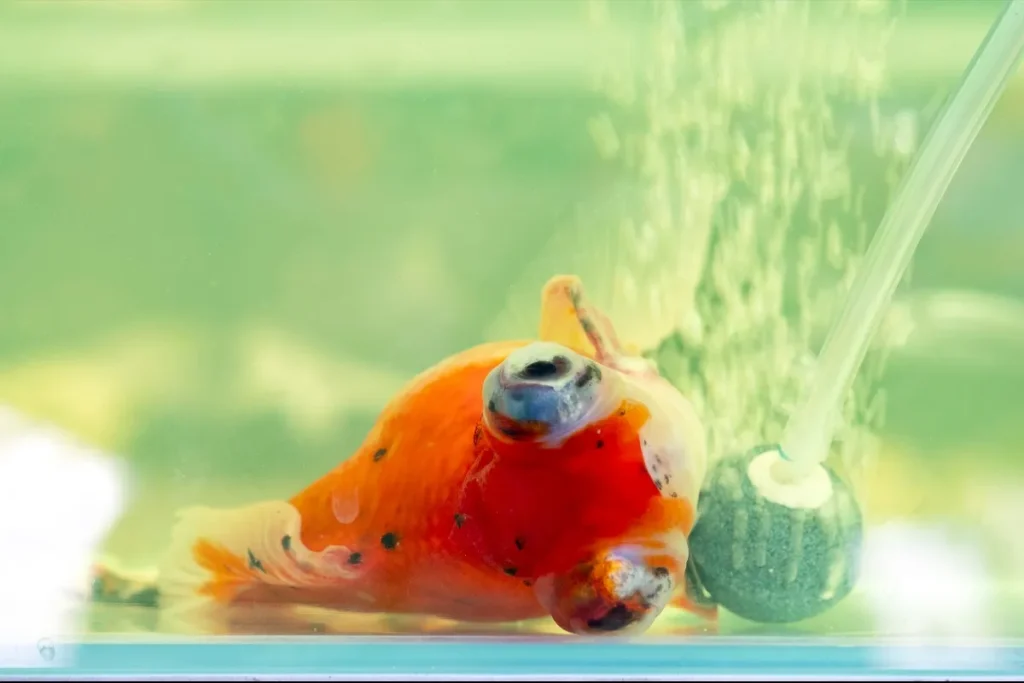
What Is Popeye Disease in Fish?
Popeye, also known as exophthalmia, occurs when fluid builds up behind a fish’s eye, causing it to protrude outward. The swelling may affect one eye (unilateral popeye) or both eyes (bilateral popeye).
When only one eye is affected, physical injury is often the cause. When both eyes are swollen, the issue is more likely related to water quality or a systemic infection.
Popeye is not contagious on its own, but if caused by bacteria or poor water conditions, other fish may be at risk.
Common Causes of Popeye Disease
Identifying the root cause is critical for proper treatment. Treating the symptom without addressing the underlying problem will only provide temporary relief.
Poor water quality is one of the leading causes. Elevated ammonia, nitrite, or nitrate levels stress fish and weaken their immune systems. Dirty water allows harmful bacteria to multiply, increasing the likelihood of infection.
Physical injury is another common cause. Fish may injure their eyes by bumping into decorations, fighting with tank mates, or scraping against rough surfaces.
Bacterial infections can develop either from untreated injuries or prolonged exposure to unhealthy water conditions. In severe cases, internal infections can cause swelling in both eyes.
Stress also plays a role. Overcrowding, aggressive tank mates, or sudden environmental changes weaken a fish’s ability to fight off infection.
Symptoms to Watch For
The most obvious sign of popeye disease is a visibly swollen or protruding eye. The eye may appear cloudy, inflamed, or surrounded by redness.
Other symptoms may include loss of appetite, lethargy, clamped fins, or changes in swimming behavior. If both eyes are affected, the fish may struggle to navigate the tank.
In severe cases, the eye may rupture if left untreated. Early intervention greatly improves recovery chances.
How to Treat Popeye Disease in Fish
Treatment depends on the underlying cause. The first step in all cases is improving water quality.
Perform an immediate partial water change of 25 to 30 percent. Test ammonia, nitrite, and nitrate levels to ensure they are within safe ranges. Ammonia and nitrite should be zero, and nitrate should be kept low.
If poor water quality is the likely cause, consistent maintenance and improved filtration may resolve mild cases without medication.
If the popeye appears to be caused by injury and only one eye is affected, maintaining pristine water conditions often allows the eye to heal naturally over time.
In cases where bacterial infection is suspected, treatment with a broad-spectrum antibiotic designed for aquarium use may be necessary. Follow dosage instructions carefully and consider moving the affected fish to a quarantine tank for targeted treatment.
Aquarium salt can sometimes help reduce swelling and support healing, but it should only be used if compatible with the fish species in your tank.
The key to recovery is stable, clean water combined with appropriate treatment when needed.
Should You Use a Hospital Tank?
A hospital or quarantine tank is highly recommended when treating popeye caused by infection. Isolating the fish prevents potential spread and allows you to administer medication without affecting the entire aquarium.
A simple hospital tank setup includes a heater, gentle filtration, and aeration. Keep the environment calm and stress-free to promote healing.
Monitoring the fish daily ensures the treatment is working and allows adjustments if necessary.
How Long Does Recovery Take?
Recovery time depends on severity and cause. Mild cases caused by injury or temporary water issues may improve within one to two weeks.
More serious infections may require extended treatment. Even after swelling reduces, it may take time for vision to fully recover. In some cases, permanent damage can occur if treatment is delayed.
Patience and consistent care are essential during the recovery period.
Preventing Popeye Disease in the Future
Prevention is always better than treatment. Maintaining stable water quality is the most effective defense against popeye disease.
Perform weekly water changes and test water parameters regularly. Avoid overfeeding, as excess food increases ammonia levels. Ensure your filter is functioning properly and not clogged.
Choose smooth decorations without sharp edges to reduce injury risk. Monitor fish interactions and avoid aggressive species combinations.
Quarantine new fish before introducing them to the main tank. This reduces the chance of introducing harmful bacteria or parasites.
Healthy fish living in stable conditions are far less likely to develop infections.
When to Seek Additional Help
If swelling worsens despite improved water quality and medication, reassess the situation. Double-check water parameters and confirm correct medication dosage.
In rare cases, popeye may be linked to internal organ failure or advanced systemic infection. At that stage, recovery becomes more difficult.
Early detection and prompt action greatly increase survival rates.
Final Thoughts
Popeye disease in fish may look severe, but it is often treatable when caught early. Understanding that it is usually a symptom of an underlying issue helps you focus on solving the root cause rather than just treating the visible swelling.
Clean, stable water is the foundation of prevention. Combine consistent maintenance with proper equipment and thoughtful stocking to reduce stress and infection risk.
With quick action and attentive care, many fish recover fully and return to normal behavior. A well-maintained aquarium remains the best defense against popeye and other common fish diseases.